
La bataille des jeux casino en ligne ou physique

La bataille des jeux casino en ligne ou physique

Introduction aux jeux de casino

Les jeux de casino, qu’ils soient en ligne ou physiques, attirent des millions de joueurs à travers le monde. Chacun de ces formats présente ses propres avantages et inconvénients, influençant le choix des joueurs selon leurs préférences personnelles. Ainsi, lorsque vous explorez les différences, vous pouvez consulter dans cet MagicLink d'Etno pour en savoir plus sur les diverses options et caractéristiques des casinos.

Le jeu en ligne a connu une explosion de popularité ces dernières années, surtout avec l’avènement des technologies mobiles. Les plateformes en ligne offrent une accessibilité incroyable, permettant aux joueurs de profiter de leurs jeux préférés depuis le confort de leur domicile ou en déplacement. Cependant, les casinos physiques conservent un attrait unique, offrant une ambiance palpable que rien d’autre ne peut égaler.

Les avantages des casinos en ligne

Les casinos en ligne proposent une multitude d’avantages qui séduisent de nombreux joueurs. Tout d’abord, la variété des jeux est souvent plus étendue en ligne, avec des milliers d’options, allant des machines à sous aux jeux de table. De plus, les bonus de bienvenue et les promotions sont généralement plus généreux en ligne, offrant aux nouveaux joueurs des opportunités de gains supplémentaires.

Un autre aspect appréciable des casinos en ligne est la possibilité de jouer à tout moment et en tout lieu. Que ce soit sur un ordinateur, une tablette ou un smartphone, les joueurs peuvent accéder à leurs jeux favoris en quelques clics, ce qui facilite considérablement l’expérience de jeu. Cela élimine également les contraintes de déplacement, rendant le jeu plus accessible pour beaucoup.

Les atouts des casinos physiques

Malgré la montée en puissance des plateformes en ligne, les casinos physiques continuent de conserver une base de fidèles. L’une des principales raisons est l’expérience sociale qu’ils offrent. Jouer aux côtés d’autres personnes, ressentir l’excitation des gagnants et profiter de spectacles en direct créent une atmosphère difficile à reproduire en ligne.

Les casinos physiques proposent également une gamme d’options de divertissement supplémentaires, comme des restaurants, des bars et des spectacles. Cela transforme une simple session de jeu en une sortie complète, attirant des groupes d’amis ou des familles cherchant à passer un bon moment ensemble. Cette ambiance festive reste un facteur clé qui attire les joueurs vers les établissements traditionnels.

La sécurité et la confiance

La sécurité est une préoccupation majeure pour les joueurs, qu’ils choisissent de jouer en ligne ou dans un casino physique. Les casinos en ligne sont régis par des lois strictes et utilisent des technologies avancées pour garantir la protection des données personnelles et financières. Les licences de jeu sont souvent affichées, offrant un niveau de confiance aux utilisateurs.

Les casinos physiques, quant à eux, bénéficient d’une supervision directe par des autorités de régulation. Les joueurs peuvent voir directement les opérations et les jeux, ce qui peut offrir un sentiment de sécurité supplémentaire. Toutefois, les escroqueries peuvent également exister dans le monde réel, rendant essentielle la vigilance des joueurs.

Conclusion et choix final

Au final, le choix entre les jeux de casino en ligne et physiques dépend des préférences individuelles. Certains joueurs apprécieront le confort et la variété des jeux en ligne, tandis que d’autres privilégieront l’expérience immersive d’un casino traditionnel. Quel que soit le format choisi, il est important de jouer de manière responsable et de se divertir.

Notre site web se consacre à fournir des informations complètes sur les jeux de casino, que ce soit en ligne ou en personne. Nous offrons des conseils, des critiques de jeux et des recommandations pour aider les joueurs à naviguer dans cet univers palpitant. Découvrez avec nous les meilleures options et améliorez votre expérience de jeu, quel que soit votre choix.

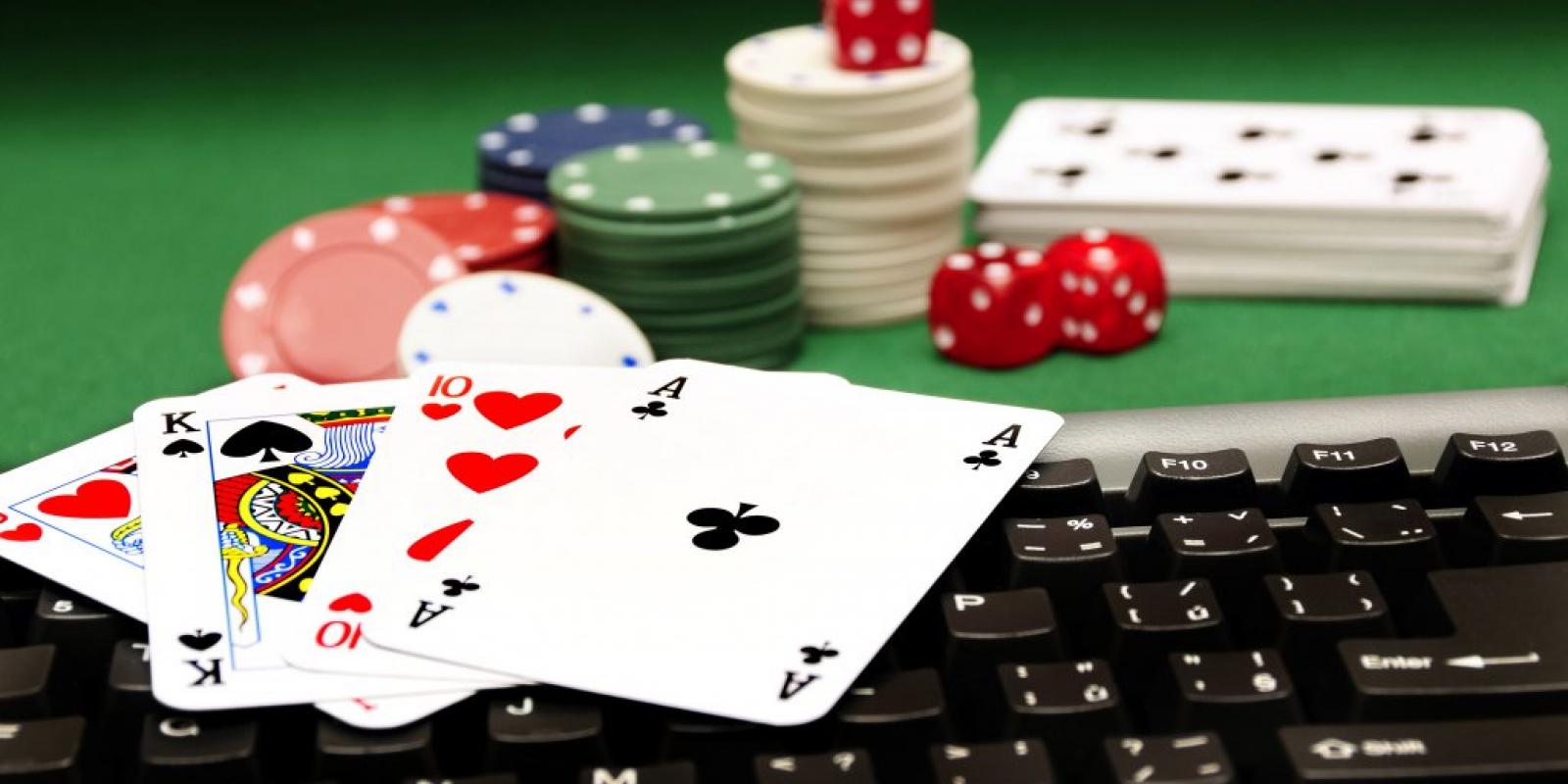
How technology reshapes the future of gambling experiences

How technology reshapes the future of gambling experiences

The Emergence of Online Gambling

The rise of the internet has revolutionized various industries, and gambling is no exception. Online gambling platforms have transformed traditional betting by offering players the convenience of accessing their favorite games from the comfort of their homes. In this environment, players often seek variations such as payid pokies that cater to different preferences. This accessibility not only attracts more players but also creates a diverse range of options that enhance the gambling experience.

Moreover, the growth of mobile technology has further propelled online gambling. With the advent of smartphones and tablets, players can now enjoy their favorite games anytime, anywhere. This shift towards mobile platforms has led to the development of user-friendly apps that offer seamless gameplay. As a result, the online gambling market continues to expand, providing players with an engaging and dynamic experience.

The Role of Virtual Reality in Gambling

Virtual reality (VR) is another technological advancement that is reshaping the future of gambling experiences. By immersing players in a virtual environment, VR allows for a more interactive and realistic gaming experience. Gamblers can participate in live-action games, interact with other players, and feel as if they are in a physical casino without leaving their homes. This innovation not only enhances the thrill of the game but also bridges the gap between physical and online gambling.

As VR technology becomes more affordable and widespread, we can expect more casinos to adopt this immersive experience. It offers unique features such as customizable avatars, social interactions, and the ability to explore virtual casino environments, creating a sense of community that traditional online platforms often lack.

The Impact of Artificial Intelligence

Artificial intelligence (AI) is transforming gambling experiences by personalizing gameplay and improving user engagement. AI algorithms analyze player behavior and preferences, allowing casinos to offer tailored recommendations. This personalization not only enhances the user experience but also encourages players to spend more time on the platform. By understanding player habits, casinos can provide targeted promotions and bonuses, increasing customer satisfaction.

Furthermore, AI plays a crucial role in maintaining fair play and security within online gambling environments. By using advanced algorithms to monitor gameplay and detect fraudulent activities, AI helps maintain the integrity of online platforms. This assurance of safety and fairness is vital in attracting and retaining players, fostering a trustworthy gambling ecosystem.

The Rise of Cryptocurrency in Gambling

Cryptocurrency has emerged as a significant player in the gambling industry, offering various benefits to players and operators alike. The decentralized nature of cryptocurrencies provides users with anonymity and security, appealing to those who prioritize privacy in their gambling activities. Moreover, transactions using cryptocurrencies are often faster and incur lower fees compared to traditional payment methods, making it an attractive option for many players.

As more online casinos begin to accept cryptocurrencies, the gambling landscape continues to evolve. This shift towards digital currency not only enhances convenience but also attracts a new demographic of tech-savvy players who are familiar with blockchain technology. The integration of cryptocurrencies into gambling platforms is expected to grow, leading to innovative financial solutions in the industry.

Exploring Our Website

As technology continues to shape the future of gambling experiences, our website is dedicated to providing you with the latest insights and trends in the industry. We aim to inform our readers about the innovations that are changing the gambling landscape, from online platforms to emerging technologies like VR and AI. Our commitment is to deliver valuable content that keeps you updated on the evolving world of gambling.

Whether you’re a casual player or a serious gambler, our website serves as a comprehensive resource for all things gambling. Join us as we explore the intersection of technology and gambling, providing you with the knowledge you need to navigate this exciting and dynamic environment.

Kumar efsanelerini yıkan gerçekler

Kumar efsanelerini yıkan gerçekler

Kumarın Gerçek Doğası

Kumar, birçok insan için eğlenceli bir aktivite olarak görülse de, arka planda pek çok karmaşık dinamik barındırır. Çoğu kişi kumar oynarken şans faktörünü öne çıkarırken, aslında strateji ve matematiksel hesaplamalar da büyük bir rol oynamaktadır. Bu gerçek, kumarın sadece şansa bağlı olmadığını, aynı zamanda oyuncunun bilgi ve deneyimine de dayandığını ortaya koyar. Oyuncuların güvenli bir ortamda kumar deneyimlerini sürdürebilmeleri için mostbet gibi platformlar büyük önem taşır.

Kumarın efsanevi görüntüsü, genellikle kazananların hikayeleriyle beslenir. Ancak kaybedenlerin sessizliği, gerçeğin daha karanlık bir yönünü ortaya çıkarır. Uzun vadede, kumarhanelerin matematiksel avantajları nedeniyle çoğu oyuncu kaybetme riskiyle karşı karşıya kalır. Bu nedenle, kumarın yalnızca eğlence aracı olarak değil, aynı zamanda potansiyel bir bağımlılık kaynağı olarak da ele alınması gerektiği önemlidir.

Kumar Bağımlılığı ve Etkileri

Kumar bağımlılığı, bireylerin hayatlarını olumsuz yönde etkileyen bir durumdur. Bu bağımlılık, yalnızca maddi kayıplarla sınırlı kalmaz; aynı zamanda kişisel ilişkiler, iş yaşamı ve genel ruh hali üzerinde de ağır sonuçlar doğurur. Kumar bağımlılığı yaşayan bireyler, kayıplarını telafi etme arzusuyla daha fazla kumar oynamaya yönelirler, bu da bir kısır döngü oluşturur.

Bağımlılığın etkileri, bireylerin aile yaşamlarına ve sosyal ilişkilerine ciddi zararlar verebilir. Aile içindeki güven kaybı, yalnızlık ve sosyal izolasyon gibi durumlar, kumar bağımlılığı ile sıkça ilişkilendirilen sorunlardandır. Bu nedenle, kumar alışkanlıklarını kontrol altına almak ve gerektiğinde profesyonel yardım almak son derece önemlidir.

Kumarın Ekonomik Etkileri

Kumar sektörü, birçok ülke için önemli bir ekonomik gelir kaynağıdır. Kumarhaneler, yerel ekonomiye katkıda bulunarak istihdam yaratma ve turizmi teşvik etme potansiyeline sahiptir. Ancak, bu ekonomik faydalar, kumar oynamanın neden olduğu sosyal sorunlarla dengelenmelidir. Kumarın ekonomik etkileri, yalnızca kazançlarla değil, aynı zamanda toplumsal maliyetlerle de değerlendirilmelidir.

Bazı ülkelerde kumar yasalarının sıkılaştırılması, sosyal sorunların önlenmesi amacıyla gerçekleştirilmektedir. Kumarhanelerin denetlenmesi ve oyunculara koruyucu önlemler sunulması, hem ekonomik yararları artırmak hem de sosyal etkileri azaltmak için gereklidir. Bu dengenin sağlanması, kumarın toplum üzerindeki etkilerini minimize etmenin bir yoludur.

Kumar Miti ve Gerçekler

Kumarla ilgili birçok yaygın mit vardır. Örneğin, kumarhanelerin her zaman kazanma şansının yüksek olduğunu düşünmek, büyük bir yanılgıdır. Aslında, her oyun belirli bir matematiksel avantaja sahiptir ve bu avantaj, kumarhane lehine işlemektedir. Bu durum, oyuncuların uzun vadede kaybetme olasılığının yüksek olduğunu gösterir.

Ayrıca, bazı insanlar belirli stratejilerin ya da sistemlerin uygulanmasının kazanç sağladığını düşünmektedir. Ancak, kumar oyunları rastgelelik üzerine kuruludur ve bu tür stratejilerin etkili olduğu kanıtlanmamıştır. Bu mitleri yıkarak, kumar oynamanın gerçek doğasını anlamak, oyuncuların daha bilinçli kararlar almalarına yardımcı olabilir.

Asyacard: Güvenli İşlemler için Bir Platform

Asyacard, kullanıcıların finansal işlemlerini güvenli bir ortamda gerçekleştirmelerine olanak tanıyan bir platformdur. Kullanıcı deneyimini artırmak için çeşitli güvenlik önlemleri alınmakta ve destek hizmetleri sunulmaktadır. Bu sayede, kumar oynayan bireyler için güvenilir bir işlem altyapısı oluşturulmuştur.

Asyacard, hem güvenlik hem de kullanıcı memnuniyetini öncelikli hedef olarak belirlemekte, kullanıcılara ihtiyaç duydukları her an yardımcı olmaktadır. Kumar efsanelerinin yıkılması ve gerçeklerin anlaşılması sürecinde, güvenilir platformların önemi bir kat daha artmaktadır. Bu tür hizmetler, oyuncuların daha bilinçli ve güvenli bir şekilde kumar oynamalarına yardımcı olur.

Coronavirus disease 2019

Coronavirus disease 2019

COVID-19 is a contagious disease caused by the coronavirus SARS-CoV-2. In January 2020, the disease spread worldwide, resulting in the COVID-19 pandemic.

The symptoms of COVID‑19 can vary but often include fever,[7] fatigue, cough, breathing difficulties, loss of smell, and loss of taste.[8][9][10] Symptoms may begin one to fourteen days after exposure to the virus. At least a third of people who are infected do not develop noticeable symptoms.[11][12] Of those who develop symptoms noticeable enough to be classified as patients, most (81%) develop mild to moderate symptoms (up to mild pneumonia), while 14% develop severe symptoms (dyspnea, hypoxia, or more than 50% lung involvement on imaging), and 5% develop critical symptoms (respiratory failure, shock, or multiorgan dysfunction).[13] Older people have a higher risk of developing severe symptoms. Some complications result in death. Some people continue to experience a range of effects (long COVID) for months or years after infection, and damage to organs has been observed.[14] Multi-year studies on the long-term effects are ongoing.[15]

COVID‑19 transmission occurs when infectious particles are breathed in or come into contact with the eyes, nose, or mouth. The risk is highest when people are in close proximity, but small airborne particles containing the virus can remain suspended in the air and travel over longer distances, particularly indoors. Transmission can also occur when people touch their eyes, nose, or mouth after touching surfaces or objects that have been contaminated by the virus. People remain contagious for up to 20 days and can spread the virus even if they do not develop symptoms.[16]

Testing methods for COVID-19 to detect the virus’s nucleic acid include real-time reverse transcription polymerase chain reaction (RT‑PCR),[17][18] transcription-mediated amplification,[17][18][19] and reverse transcription loop-mediated isothermal amplification (RT‑LAMP)[17][18] from a nasopharyngeal swab.[20]

Several COVID-19 vaccines have been approved and distributed in various countries, many of which have initiated mass vaccination campaigns. Other preventive measures include physical or social distancing, quarantining, ventilation of indoor spaces, use of face masks or coverings in public, covering coughs and sneezes, hand washing, and keeping unwashed hands away from the face. While drugs have been developed to inhibit the virus, the primary treatment is still symptomatic, managing the disease through supportive care, isolation, and experimental measures.

Coronavirus disease 2019

Coronavirus disease 2019

COVID-19 is a contagious disease caused by the coronavirus SARS-CoV-2. In January 2020, the disease spread worldwide, resulting in the COVID-19 pandemic.

The symptoms of COVID‑19 can vary but often include fever,[7] fatigue, cough, breathing difficulties, loss of smell, and loss of taste.[8][9][10] Symptoms may begin one to fourteen days after exposure to the virus. At least a third of people who are infected do not develop noticeable symptoms.[11][12] Of those who develop symptoms noticeable enough to be classified as patients, most (81%) develop mild to moderate symptoms (up to mild pneumonia), while 14% develop severe symptoms (dyspnea, hypoxia, or more than 50% lung involvement on imaging), and 5% develop critical symptoms (respiratory failure, shock, or multiorgan dysfunction).[13] Older people have a higher risk of developing severe symptoms. Some complications result in death. Some people continue to experience a range of effects (long COVID) for months or years after infection, and damage to organs has been observed.[14] Multi-year studies on the long-term effects are ongoing.[15]

COVID‑19 transmission occurs when infectious particles are breathed in or come into contact with the eyes, nose, or mouth. The risk is highest when people are in close proximity, but small airborne particles containing the virus can remain suspended in the air and travel over longer distances, particularly indoors. Transmission can also occur when people touch their eyes, nose, or mouth after touching surfaces or objects that have been contaminated by the virus. People remain contagious for up to 20 days and can spread the virus even if they do not develop symptoms.[16]

Testing methods for COVID-19 to detect the virus’s nucleic acid include real-time reverse transcription polymerase chain reaction (RT‑PCR),[17][18] transcription-mediated amplification,[17][18][19] and reverse transcription loop-mediated isothermal amplification (RT‑LAMP)[17][18] from a nasopharyngeal swab.[20]

Several COVID-19 vaccines have been approved and distributed in various countries, many of which have initiated mass vaccination campaigns. Other preventive measures include physical or social distancing, quarantining, ventilation of indoor spaces, use of face masks or coverings in public, covering coughs and sneezes, hand washing, and keeping unwashed hands away from the face. While drugs have been developed to inhibit the virus, the primary treatment is still symptomatic, managing the disease through supportive care, isolation, and experimental measures.